
Slowing Down Nearsightedness: How Myopia Management Protects Your Child’s Vision This School Year

Slowing Down Nearsightedness: How Myopia Management Protects Your Child’s Vision This School Year

Slowing Down Nearsightedness: How Myopia Management Protects Your Child’s Vision This School Year

Slowing Down Nearsightedness: How Myopia Management Protects Your Child’s Vision This School Year

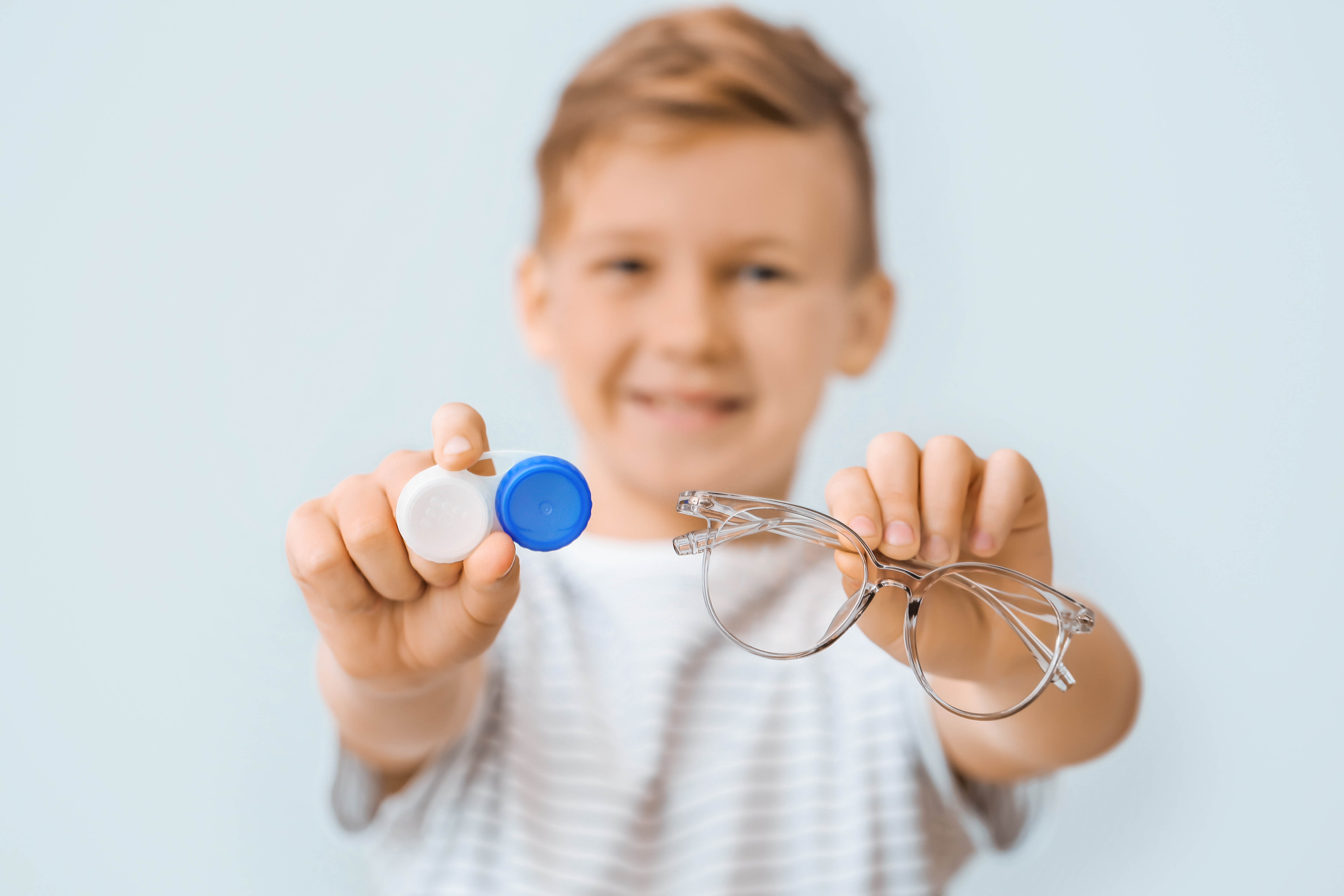
As children settle into another school year, clear vision becomes especially important for reading the board, completing homework, using digital devices, and participating in classroom activities. If your child is becoming more nearsighted each year, simply updating their glasses may not be enough.
At Clarity Advanced Eyecare in Birmingham, we provide myopia management designed to slow the progression of childhood nearsightedness. The goal is to help children see clearly now while reducing how quickly their prescription may worsen as their eyes grow.
What Is Childhood Myopia?
Myopia, commonly called nearsightedness, causes distant objects to appear blurry while close-up objects remain clearer. It often begins during childhood and can continue progressing through the school years.
In many children, myopia develops as the eye grows too long from front to back. Standard glasses or contact lenses correct the resulting blurry vision, but they generally do not address the progression itself.
Myopia management uses specialized treatments designed to slow that progression.
Signs Your Child's Nearsightedness May Be Increasing
Children do not always realize their vision has changed. They may simply move closer to what they are trying to see or adjust their habits without mentioning a problem.
Signs parents may notice include:
- Squinting to see the classroom board
- Sitting unusually close to the television
- Holding screens or books close to the face
- Complaining that distant objects look blurry
- Frequent prescription changes
- Difficulty recognizing people or signs from a distance
- Headaches or visual fatigue during schoolwork
A comprehensive pediatric eye exam can determine whether myopia is present and whether it is progressing.
Why Slowing Myopia Matters
Myopia management is about more than reducing the frequency of prescription changes.
Higher levels of myopia are associated with an increased lifetime risk of certain eye conditions, including retinal detachment, glaucoma, and myopic retinal changes. Slowing the amount of myopia a child develops may help reduce these long-term risks.
Starting management while a child's eyes are still developing can give their Birmingham eye doctor more opportunity to control progression over time.
How Ortho-K Can Manage Myopia Overnight
Orthokeratology, or Ortho-K, uses specially designed rigid contact lenses worn while sleeping. These lenses temporarily reshape the front surface of the eye.
After removing the lenses in the morning, many children can see clearly throughout the day without standard glasses or daytime contacts. Ortho-K has also been shown to slow myopia progression in children.
Ongoing nighttime wear is required to maintain the vision-correcting effect, and careful hygiene and regular follow-up visits are essential.
Other Myopia Management Options
Not every child needs the same treatment. Depending on age, prescription, lifestyle, and eye health, myopia management may also involve low-dose atropine eye drops or specialized multifocal soft contact lenses.
Atropine is typically used in low concentrations to help slow myopia progression. Multifocal contact lenses use specially designed optical zones to provide clear vision while influencing how light reaches the retina.
Your child's eye doctor can determine which option or combination of approaches is most appropriate.
Healthy Habits Still Matter During the School Year
Treatment works alongside healthy visual habits. Children should take regular breaks during prolonged reading and screen use and avoid holding digital devices extremely close to their eyes.
Spending more time outdoors may also help support healthy visual development and has been associated with a lower risk of developing myopia. These habits do not replace professional myopia treatment once nearsightedness is progressing, but they can be part of a broader eye health plan.
If your child's prescription keeps getting stronger each school year, schedule a myopia management evaluation with Clarity Advanced Eyecare at 970 S. Old Woodward Ave., Birmingham, MI 48009, or call (248) 369-3300 to discuss personalized options for slowing nearsightedness and protecting your child's long-term vision.

Eye Care Services
Learn More
Keep
In Touch
